

Adapted from a Chicago City Parks & Rec activity recommendation (used with permission) See a familiar outdoor setting with new eyes as you and your child pretend to be aliens on a mission to explore our planet and report back to
Starstruck Storytime
There’s no better time than warm, summertime nights to stargaze. Connecting the dots in the sky with the mythology from different cultures can leave your linguistic child star struck. Check books out of the library telling the stories of each
10 Tips When Helping Your Children to Choose Their Science Fair Projects
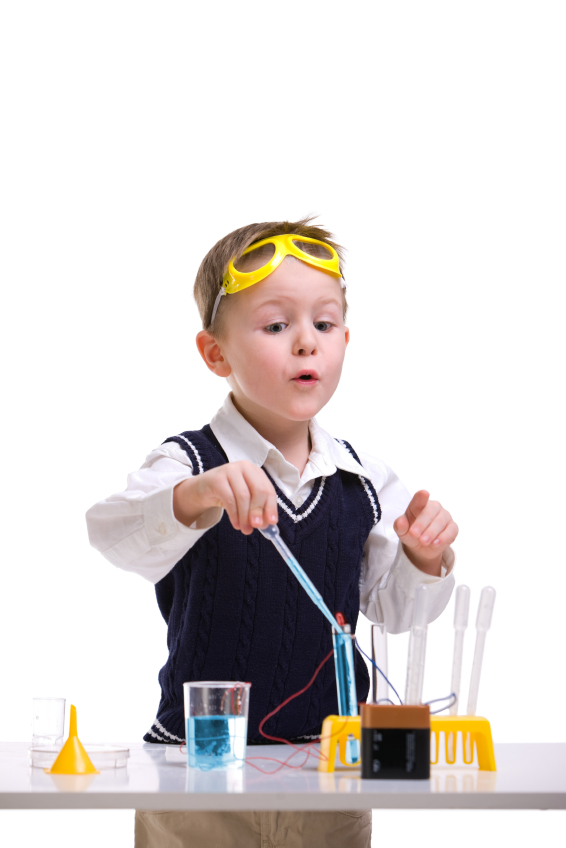
Science fair season has become increasingly more competitive. This is because the stakes at these events are no longer limited to ribbons and plaques. There are big money rewards to be won and chances to impress college entrance boards as
Letter-Perfect Park Poems
Adapted with permission from Chicago Park District’s “Once Upon a Day Camp” Guide Go to a park or into another natural setting (e.g. beach, woods, etc.) with your child. Then show your child a letter perfect poem like this one (a poem
Worldly Words
Learn about a different aspect of the world around you each week this summer! Brainstorm topics about the natural world that your child finds interesting, then put those topics in a hat or bowl. Have your child draw one topic
Yoga for Young’Uns
Yoga is one kinesthetic activity that kids can enjoy no matter which multiple intelligence lens they prefer to look at the world–just select an appealing entry point below: Visual-Spatial kids: Without worrying about movement flow at first, challenge your “Picture
Streams, Sculptures & Screens
Introduce your kids to the visual natural masterpieces of Andy Goldsworthy. Then, go on an outdoor “explore” with your kids and your camera phone with the intention of creating your own natural mixed medium masterpieces. As with Andy’s work, your