

Inspired by an activity in Multiple Intelligences in the Elementary Classroom: A Teachers Toolkit by Susan Baum, Julie Viens and Barbara Slatin. Take a square box (or die) and put 4 of your child’s FAVORITE multiple intelligences on the sides
Using Personality Type to Enhance Music Education
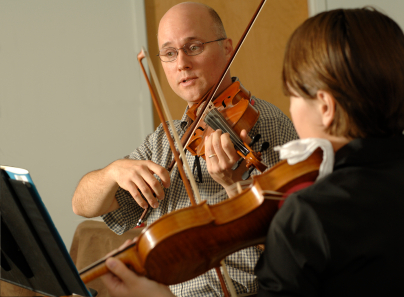
Bonnie TeVelde wasn't always a music school director—she started as an accountant and business operations consultant that helped clients develop their businesses. She was frustrated and started a music education on the side to fill her soul in a way
The Music of Poetry
Pick up a copy of The Music Lover’s Poetry Anthology at your local library or bookstore. Choose a few of the poems that you think your child would enjoy, then download some of the musical pieces by the composers that were the
Audible Feast
As we all know, variety is the spice of life…but many of us get stuck in a rut when it comes to the musical genres to which we will listen. When you think about it, though, music is much like
Rhythm Nation
Talk about the different types of notes (whole, half, quarter, eighth, sixteenth) as well as the time signature or meter. Talk about how, just like in math, each measure has to make up the number of beats in the time
Dance Party!
Choreograph a routine to the chorus of a favorite piece of music and teach the whole family the dance. It’ll be like your own personal macarena! Anytime you hear it on the radio, family members listening have to do the
Boredom Buster Board Games
Whether you choose a perennial favorite or a newer version, your interpersonal child will enjoy keeping their math skills sharp over the summer by playing math-based board games with family and friends. From oldies but goodies like Monopoly, Parcheesi, Cribbage
Make It Your Mission! Part 3
Plan a date, time and place to have a gathering to talk to other “like minded people” in your community about your personal mission. Use your visual/spatial, interpersonal and/or verbal smarts to create one or more of the following to
Sing Like a Bird
Pop Quiz: How many cereal brands can your child name? How about fast food restaurants? Now ask him/her to name all the birds s/he can remember. There are probably just as many bird species in your neighborhood as fast-food brands,
How to Choose the Best Instrument for Your Child
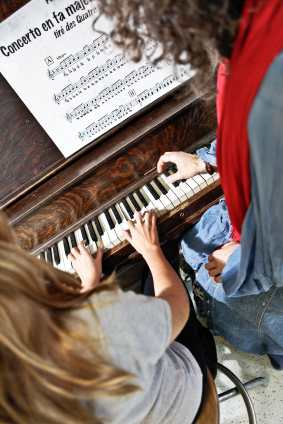
If you have a little musician in the house, they may be chomping at the bit to graduate up from your pots and pans and belting out vocal stylings to toddler tunes to their first musical instrument. Selecting the right