

Play a piece of classical music that is supposed to take place during a certain season. Can your child guess what season the composer wanted you to see in your mind’s eye? What about the music helps you see that
Make it Your Mission! Part 2
Talk with your child about people who do work that’s similar to what your child said his or her mission was in the last exercise. Are there careers that are close in nature? Volunteer opportunities? Do some research online and
Cultural Care Package
I don’t know how it is in your house, but at our house, getting something in the snail mail box is always a thrill for my kids. I must admit, I was the same way when I was young. I
The International Language
Play a song in a language that your child doesn’t know in a style that appeals to him/her. What does it sound like the singer might be talking about? What is it about the music that makes him/her think so? The
How to Choose the Best Instrument for Your Child
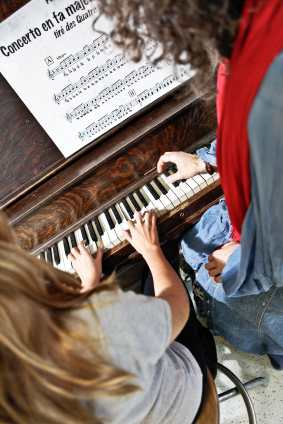
If you have a little musician in the house, they may be chomping at the bit to graduate up from your pots and pans and belting out vocal stylings to toddler tunes to their first musical instrument. Selecting the right
Fireworks are Popping Up All Over!
People often mistakenly associate body smarts solely with gross motor coordination (e.g. sports, dance). But kinesthetic intelligence also encompasses fine motor skills. Take advantage of your kids’ excitement over tonight’s fireworks to flex your kids’ kinesthetic and visual-spatial mind muscles
Shape Poetry
A shape poem is one that describes an object and is written in the shape of the object. To get your child’s creative juices flowing, you can look at examples of shape poetry here. Next, have your child pick an object
Quick Tips for Error-Proof Writing
A guest post by Brian Patterson of Grammarly For many people, there is nothing more annoying than a typo. Be it a misspelled word in the newspaper or a punctuation problem on a blog post, readers are almost immediately distracted
Summer Reading Recommendations for the “Nature Smart” Child
All ages: Dark Emperor and Other Poems of the Night. By Joyce Sidman. Twelve poems celebrating the night are accompanied by prose about nocturnal flora and fauna. Newbery Honor Book Farm. By Elisha Cooper. Experience life on a very real farm with
Pressed for Time
Inspired by 7 Times Smarter by Laurel Schmidt Supplies Needed: thick book (old phone books work well), kleenex or toilet paper, construction paper or cardboard and glue stick or craft glue Take your child on a nature walk in your